The advisory identified low index of suspicion, irregular PPE supply and improper protective gear usage as leading causes of infections.
16th February 2026 07:09 PM 
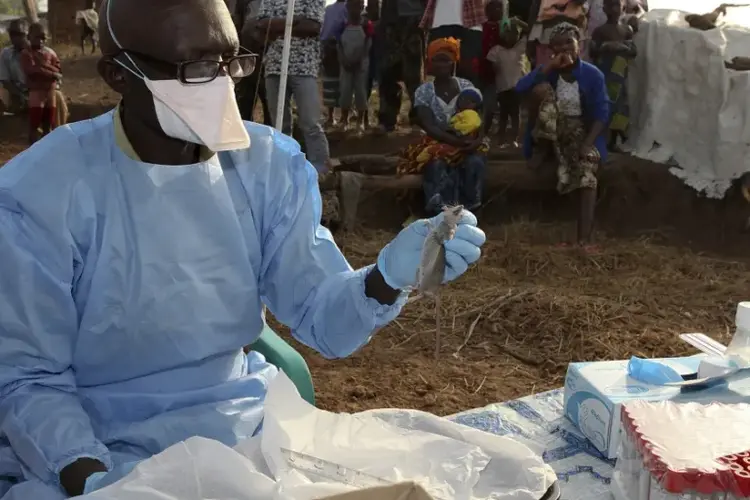

The Nigeria Centre for Disease Control, NSCDC, has intensified its Lassa fever response after confirming infections among frontline health workers during the peak transmission season.
NSCDC also warned that strict compliance with Infection Prevention and Control, IPC, measures remained the most effective defence against hospital-based transmission.
Director-General of the NCDC, Jide Idris, issued the advisory on Monday in Abuja amid rising case numbers nationwide, just as he confirmed that 15 healthcare workers had contracted Lassa fever, with two deaths recorded as of Epidemiological Week Seven.
The infections, he said, underlined persistent gaps in clinical vigilance and infection control practices within some health facilities.
“Strict adherence to IPC practices, early detection, and coordinated state-level action will save lives and prevent further transmission,” Idris stated.
He described the loss of medical personnel as deeply concerning, stressing that their protection was fundamental to sustaining outbreak response capacity.
According to him, affected states include Ondo, Edo, Bauchi, Taraba, Ebonyi and Benue, with several local government areas identified as hotspots.
Investigations into confirmed cases revealed lapses in infection prevention, particularly in outpatient departments and general wards, stressing that any undiagnosed febrile patients initially present at these units, increasing exposure risks for unsuspecting staff.
Idris said some personnel wrongly assumed only designated isolation units posed significant danger.
That assumption, he noted, reduced clinical suspicion in routine settings and contributed to avoidable exposures.
The advisory identified low index of suspicion, irregular PPE supply and improper protective gear usage as leading causes of infections.
It further warned that non-clinical staff, including cleaners and administrative officers, face comparable risks without adequate training.
“Data from recent investigations further showed an average six-day delay between onset of symptoms and care-seeking among affected healthcare workers,” he said.
Idris therefore attributed delayed reporting to stigma, fear of isolation and widespread self-medication practices.
According to him, late presentation significantly heightens the risk of severe complications and fatal outcomes, while he reiterated that standard precautions must apply to every patient, irrespective of diagnosis or perceived risk.
He further urged rigorous hand hygiene before and after contact, safe specimen handling and consistent environmental disinfection.